On-Site Paramedic Hire NSW: How to Choose the Right Medical Cover for Your Operation
A practical guide to hiring on-site paramedics in NSW — what to look for, the right level of clinical cover, and how to match medical capability to your operation’s risk.
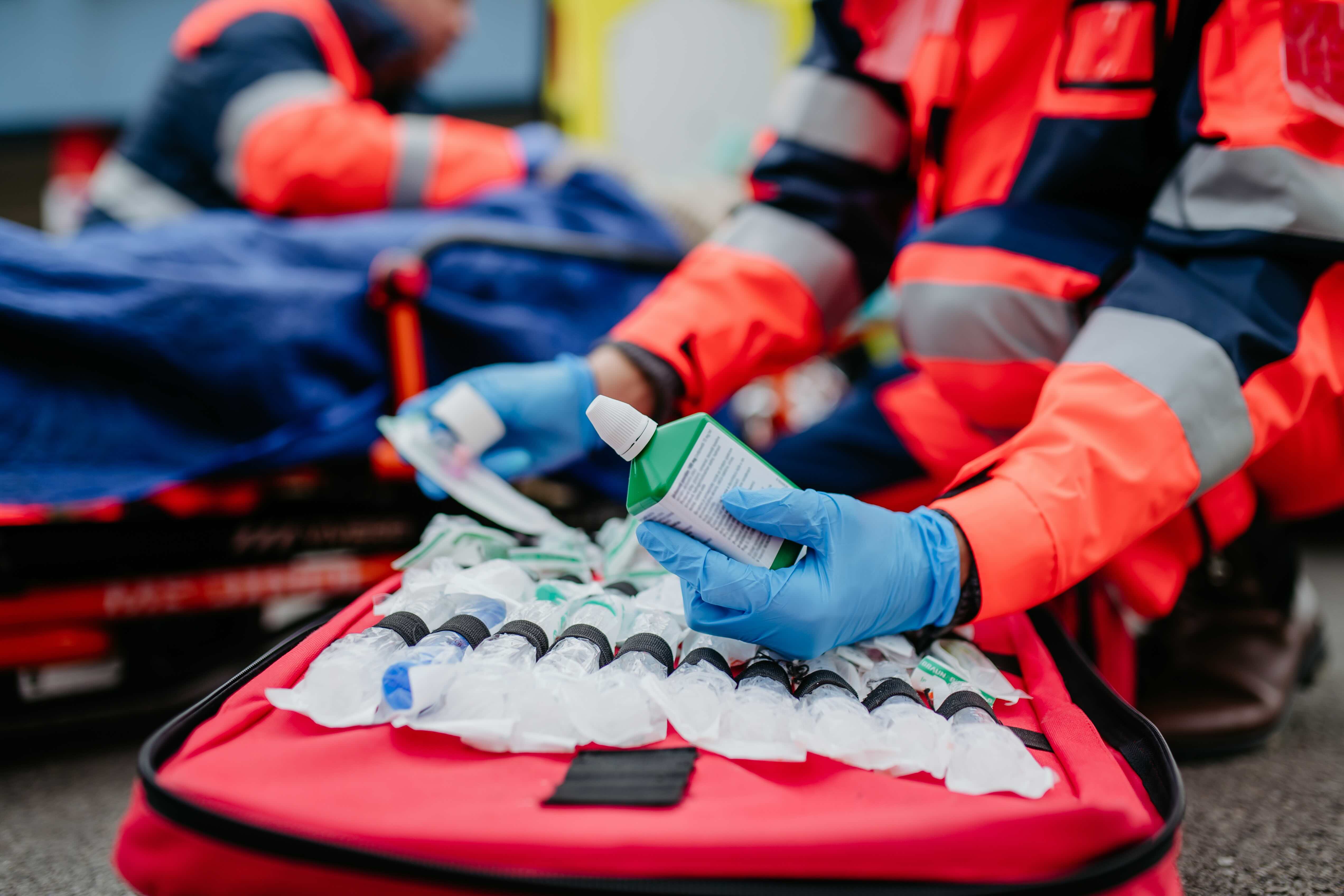
When your NSW operation requires medical cover, the stakes are clear. Equipment fails. People get injured. Response time determines outcomes.
The difference between adequate medical cover and clinical-grade emergency response often comes down to one decision: who you hire and what credentials they hold.
AHPRA Registration: The Non-Negotiable Standard
AHPRA registration separates qualified paramedics from first aid providers. This registration grants drug-licensed capability and ensures alignment with NSW Ambulance Service standards.
Ask any provider: "Are your paramedics AHPRA-registered?" If they hesitate or offer alternatives, you're not dealing with clinical-grade medical cover.
AHPRA-registered paramedics can:
Administer controlled medications
Perform advanced airway management
Conduct cardiac monitoring and defibrillation
Make critical clinical decisions under pressure
Basic first aid certification cannot deliver these capabilities. When seconds count, this distinction becomes life-or-death.
Site-Specific Risk Assessment vs Generic Packages
NSW operations face unique hazards. Mining sites present crush injuries and confined space emergencies. Motorsport circuits demand rapid extraction protocols. Film productions require medical cover that adapts to changing locations and activities.
Generic medical packages ignore these realities. They deploy standard staffing regardless of your specific risks.
Clinical-grade providers conduct thorough site assessments before deployment. They identify potential incident types, evacuation routes, and response protocols specific to your operation. This planning phase determines response effectiveness when emergencies occur.
Equipment Standards: Ambulance-Grade vs Basic Kits
Medical equipment quality directly impacts treatment outcomes. Basic first aid kits contain bandages and basic medications. Ambulance-grade equipment includes cardiac monitors, advanced airway devices, and comprehensive drug protocols.
Verify equipment specifications before hiring:
Fully equipped ambulances or rapid response vehicles
Cardiac monitoring capability
Advanced airway management tools
Comprehensive drug inventory aligned to state protocols
Communication systems for emergency coordination
Equipment quality reflects provider capability. Substandard equipment indicates compromised medical response.
Response Time and Positioning Strategy
Effective medical cover positions resources before incidents occur. This means on-site deployment, not standby arrangements miles away.
NSW's geography presents specific challenges. Remote mining operations require self-sufficient medical teams. Urban events need rapid hospital transport coordination. Industrial sites demand immediate response to workplace injuries.
Ask providers about their positioning strategy:
Will medical personnel remain on-site throughout operations?
What response time can they guarantee for different incident types?
How do they coordinate with NSW Ambulance Service for hospital transport?
What backup protocols exist if primary medical staff become unavailable?
Regulatory Compliance and Documentation
NSW workplace health and safety regulations require documented medical response plans for high-risk operations. Generic providers often overlook this requirement.
Clinical-grade medical cover includes:
Written medical response plans tailored to your site
Risk assessment documentation
Staff credential verification
Equipment maintenance records
Incident reporting protocols
This documentation satisfies regulatory requirements and provides liability protection. It also ensures continuity if operations extend or repeat.
Provider Experience in Your Industry
Medical emergencies vary significantly across industries. Motorsport injuries differ from mining accidents. Construction site incidents require different protocols than film production emergencies.
Evaluate provider experience in your specific industry:
Have they worked similar operations in NSW?
Can they provide client references from comparable sites?
Do they understand your industry's specific risks and protocols?
Have they developed specialized response procedures for your type of operation?
Industry experience accelerates response effectiveness and reduces deployment risks.
Cost vs Clinical Capability
Medical cover pricing varies dramatically across NSW providers. The lowest quote rarely delivers clinical-grade capability.
Cost factors include:
AHPRA registration and ongoing professional development
Ambulance-grade equipment and maintenance
Comprehensive insurance coverage
Site-specific planning and documentation
24/7 operational support
Budget-focused decisions often compromise medical response capability. Calculate the cost of inadequate medical cover against the investment in clinical-grade protection.
Making the Decision
Effective on-site paramedic hire in NSW requires clinical credentials, site-specific planning, and ambulance-grade equipment. These elements combine to deliver medical response that protects your people and operations.
Verify AHPRA registration. Demand site-specific risk assessment. Confirm ambulance-grade equipment deployment. These standards separate clinical-grade medical cover from basic first aid arrangements.
Your operation's medical cover decision impacts every person on site. Choose providers who understand this responsibility and deliver accordingly.
Learn more at emls.com.au