What Does On-Site Medical Cover Actually Include? A Plain-Language Breakdown
A plain-language breakdown of what on-site medical cover actually includes — clinicians, equipment, vehicles, planning and governance — so you know what you’re paying for.
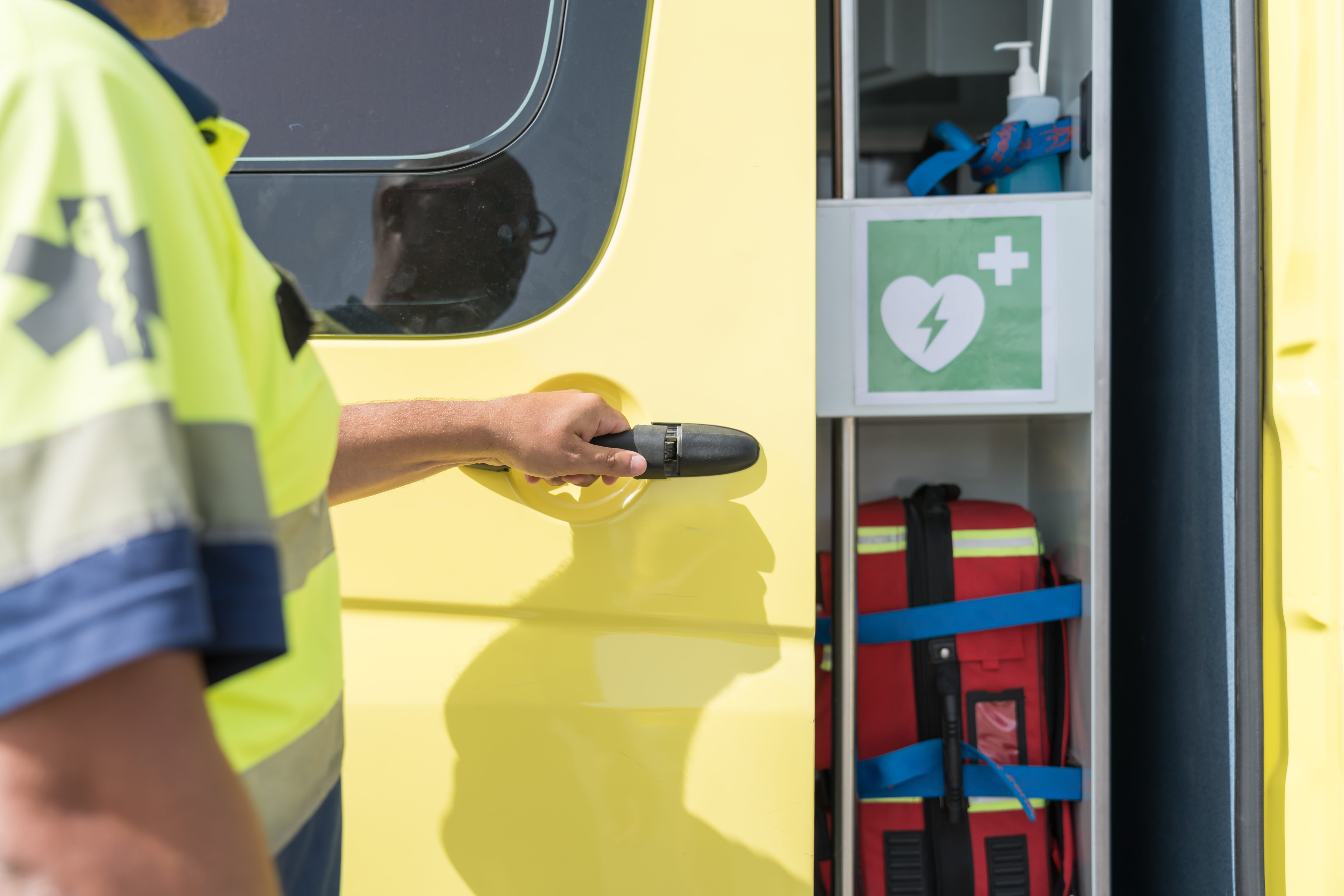
When you're planning a high-risk event or industrial operation, you know medical cover is necessary. But what exactly are you getting when you engage a professional medical provider? The answer varies dramatically between basic first aid services and comprehensive medical cover designed for serious operational environments.
Professional on-site medical cover delivers immediate clinical response capability positioned at your site before any incident occurs. This isn't reactive healthcare or volunteer-dependent coverage. It's pre-positioned medical infrastructure designed around your specific operational risks.
The Core Components of Professional Medical Cover
Professional medical cover includes five essential elements: qualified medical personnel, clinical-grade equipment, dedicated response vehicles, documented medical response plans, and integrated communication systems.
Each component works together to create immediate response capability. The personnel provide clinical expertise. The equipment enables advanced treatment. The vehicles ensure rapid deployment and evacuation capability. The planning documents define response protocols. The communication systems coordinate with external emergency services.
This integrated approach means medical incidents receive immediate clinical assessment and treatment rather than basic first aid while waiting for external ambulance services.
Medical Personnel: Who's Actually On-Site
Professional medical cover deploys AHPRA-registered clinicians matched to your site's risk profile. This typically includes paramedics with drug licensing capability aligned to state ambulance service standards.
For higher-risk environments, the medical team may include registered nurses and doctors. These clinicians carry the same credentials and capabilities as hospital emergency department staff, not volunteer first aiders or industrial first aid officers.
The key difference is clinical authority. AHPRA-registered paramedics can administer restricted medications, perform advanced airway management, and make clinical decisions about patient transport. This capability gap becomes important when incidents involve serious trauma, cardiac events, or complex medical emergencies.
Personnel numbers depend on your site size, risk assessment, and operational requirements. A motorsport event might require multiple paramedic teams positioned at different track sectors. A remote mining operation might need a single paramedic with doctor-level consultation capability via telemedicine.
Equipment and Vehicles: Beyond Basic First Aid
Professional medical cover includes fully equipped ambulances and rapid response vehicles positioned at your site. These vehicles carry the same clinical equipment found in state ambulance services.
Standard equipment includes cardiac monitors, defibrillators, advanced airway management tools, IV therapy capability, and a comprehensive pharmaceutical inventory. The vehicles also carry spinal immobilization equipment, trauma management supplies, and patient transport capability.
Rapid response vehicles provide immediate deployment to incident locations across large sites. These smaller units carry essential emergency equipment and enable paramedics to reach patients within minutes rather than waiting for ambulance dispatch from external locations.
The equipment specification aligns with Australian clinical guidelines and state ambulance service standards. This ensures consistent treatment protocols regardless of whether your incident requires on-site treatment or hospital transport.
Planning and Documentation: The Framework Behind the Response
Every professional medical cover engagement includes documented medical response plans specific to your site and operations. These plans identify potential medical risks, define response protocols, and establish communication procedures with external emergency services.
The planning process involves site risk assessment, evacuation route identification, and integration with your existing safety procedures. For complex sites, this includes mapping response times to different locations, identifying helicopter landing zones for critical cases, and establishing communication protocols with receiving hospitals.
Documentation also covers regulatory compliance requirements. This includes WHS obligations for high-risk activities and insurance documentation for medical response capability. The planning documents become part of your operational safety framework.
Professional providers update these plans based on operational changes, incident learnings, and regulatory updates. This ensures your medical response capability evolves with your operations rather than becoming outdated documentation.
Communication and Coordination: Connecting the Response Chain
Professional medical cover includes integrated communication systems connecting on-site medical teams with external emergency services, receiving hospitals, and your operational management.
This communication capability enables real-time consultation with emergency physicians for complex cases, direct coordination with helicopter rescue services for remote locations, and immediate notification of receiving hospitals for incoming patients.
The communication systems also integrate with your site's operational communications. Medical teams can coordinate with security, operations management, and external contractors during incident response. This prevents communication gaps that can complicate emergency response in industrial environments.
For sites across Queensland and New South Wales, professional medical providers maintain established relationships with local emergency services and receiving hospitals. This pre-existing coordination reduces response times and improves patient outcomes during serious incidents.
Professional medical cover from providers like Emergency Logistic Solutions combines all these elements into site-specific medical response capability. Rather than generic packages, the service design reflects your operational environment, risk profile, and regulatory requirements.
Learn more at emls.com.au
FAQs
What's the difference between on-site medical cover and first aid services?
On-site medical cover deploys AHPRA-registered paramedics with drug licensing and advanced clinical capabilities, while first aid services typically provide volunteer or industrial first aiders with basic certification. Medical cover includes ambulances, advanced equipment, and immediate treatment capability rather than basic first aid while waiting for external emergency services.
How many medical personnel are included in on-site medical cover?
Personnel numbers depend on your site size, risk assessment, and operational requirements. A single paramedic may suffice for smaller operations, while large events or high-risk industrial sites may require multiple paramedic teams, nurses, or doctors positioned across different locations.
What vehicles and equipment are provided with professional medical cover?
Professional medical cover includes fully equipped ambulances and rapid response vehicles carrying cardiac monitors, defibrillators, advanced airway management tools, IV therapy capability, pharmaceutical inventory, and patient transport capability aligned with state ambulance service standards.
Do I need documented medical response plans for my site?
Yes, professional medical cover includes site-specific medical response plans covering risk assessment, response protocols, evacuation procedures, and regulatory compliance requirements. These plans integrate with your existing safety procedures and meet WHS obligations for high-risk activities.
How does on-site medical cover coordinate with external emergency services?
Professional medical providers maintain integrated communication systems and established relationships with local emergency services, helicopter rescue services, and receiving hospitals across Queensland and New South Wales. This enables real-time coordination and reduces response times during serious incidents.
What qualifications do on-site medical personnel hold?
Professional medical cover deploys AHPRA-registered paramedics, nurses, and doctors with the same credentials and clinical capabilities as hospital emergency department staff. This includes drug licensing capability and clinical authority to make treatment and transport decisions.
How is medical cover customized for different types of operations?
Professional providers conduct site-specific risk assessments and design medical response plans around your operational environment. This includes personnel selection, equipment specification, vehicle positioning, communication protocols, and integration with your existing safety procedures rather than generic one-size-fits-all packages.