How Much Does Event Medical Cover Cost in Australia? What to Expect in 2026
What event medical cover actually costs in Australia in 2026 — the factors that drive pricing, what’s included, and how to budget for the right level of clinical cover.
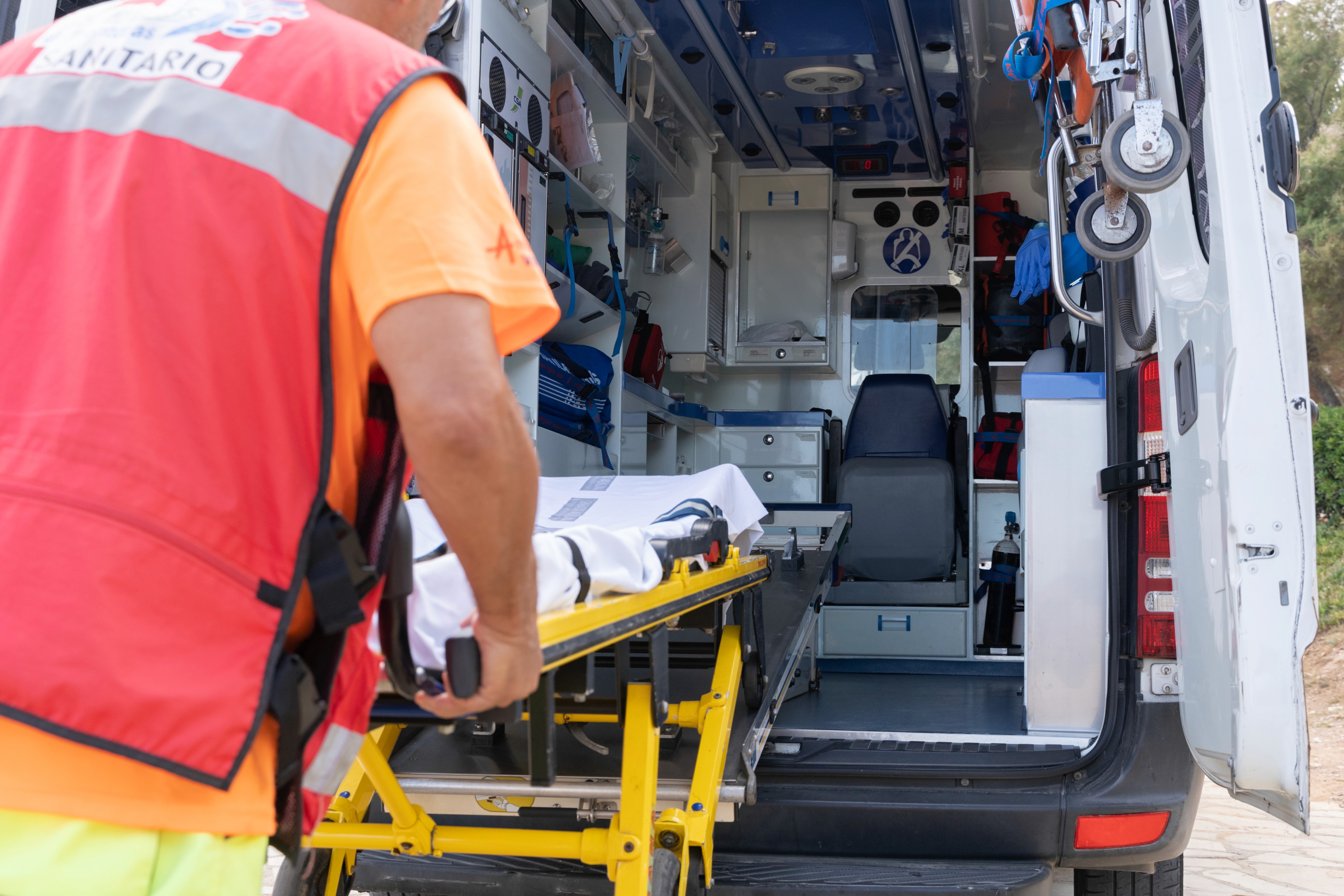
Event medical cover costs in Australia depend on your specific operational requirements. Unlike standardized services, medical cover pricing reflects the clinical expertise, equipment, and planning required for your event's unique risk profile.
Understanding these cost drivers helps you budget appropriately and evaluate proposals from medical providers.
Why Event Medical Cover Pricing Varies
Medical cover isn't a commodity service. Each event presents different risks, attendance patterns, and regulatory requirements that shape the medical response needed.
A motorsport circuit requires different clinical capabilities than a corporate conference. A remote mining site presentation needs different logistics than a city venue concert. These operational differences directly impact staffing, equipment, and planning requirements.
Professional medical providers assess each engagement individually. They consider your event's specific hazards, participant demographics, venue characteristics, and access limitations before designing an appropriate medical response.
Key Factors That Determine Cost
Several core elements influence event medical cover pricing in 2026.
Event size and attendance affects staffing ratios and equipment deployment. Larger events require more medical personnel and additional response vehicles positioned strategically across the venue.
Risk profile shapes clinical requirements. High-risk activities like motorsport or extreme sports need advanced life support capabilities, while low-risk corporate events may require basic life support coverage.
Venue accessibility impacts logistics costs. Remote locations require additional travel time, accommodation, and potentially helicopter access for serious cases.
Duration affects both direct staffing costs and operational planning. Multi-day events require shift rotations and extended equipment deployment.
Staffing Requirements and Clinical Levels
Medical staffing represents the largest cost component in most event medical cover arrangements.
AHPRA-registered paramedics provide advanced life support capabilities including drug administration and advanced airway management. This clinical level costs more than basic first aid but delivers significantly better patient outcomes.
Registered nurses offer specialized clinical skills for specific event types, particularly useful for events with elderly participants or complex medical histories.
Doctors may be required for high-risk events or when specific drug protocols are needed beyond paramedic scope of practice.
The number of clinicians required depends on attendance, risk assessment, and regulatory requirements. Professional providers calculate staffing ratios based on established clinical guidelines, not arbitrary numbers.
Equipment and Vehicle Costs
Medical equipment and vehicle deployment add significant value but also cost to event medical cover.
Fully equipped ambulances provide mobile intensive care capabilities with cardiac monitors, ventilators, and comprehensive drug stocks. These vehicles cost more to deploy than basic response cars but offer critical capabilities for serious incidents.
Rapid response vehicles allow quick access to incidents across large venues while carrying essential life support equipment.
Medical consumables including oxygen, IV fluids, and medications are factored into pricing based on event duration and anticipated usage patterns.
Professional providers maintain this equipment to ambulance service standards, ensuring reliability when needed most.
Duration and Location Impact
Event duration and location significantly influence total costs.
Single-day events typically cost less than multi-day engagements due to reduced accommodation and logistics requirements.
Remote locations increase costs through travel time, accommodation needs, and potentially limited local hospital access requiring enhanced on-site capabilities.
Queensland and New South Wales locations may have different regulatory requirements affecting staffing and equipment needs.
Venue characteristics like multiple entry points, challenging terrain, or limited vehicle access require additional planning and potentially more equipment deployment points.
Budget Planning for Different Event Types
Different event categories have typical cost ranges based on their standard requirements.
Corporate events with low physical risk generally require basic life support coverage with minimal equipment deployment.
Sporting events need medical cover scaled to participant numbers and injury risk, with higher-risk sports requiring advanced life support capabilities.
Concerts and festivals require comprehensive medical planning for crowd-related incidents, substance-related presentations, and general medical emergencies.
Motorsport events demand the highest clinical capabilities due to potential for serious trauma, requiring doctors, advanced life support paramedics, and specialized equipment.
When budgeting, consider that professional medical cover represents insurance against serious incidents that could otherwise result in significant liability exposure.
Getting Accurate Pricing
Professional medical providers require detailed event information to provide accurate pricing. This includes attendance numbers, event activities, venue details, duration, and any special requirements.
Reputable providers conduct site assessments and risk evaluations before proposing medical response plans. This thorough approach ensures appropriate clinical coverage while avoiding over-specification.
Emergency Logistic Solutions provides tailored medical response planning for events across Queensland and New South Wales, with AHPRA-registered clinicians and fully equipped response vehicles designed around each client's specific operational risks.
For accurate pricing based on your event's requirements, learn more at emls.com.au.
Frequently Asked Questions
What's included in event medical cover pricing?
Professional event medical cover typically includes AHPRA-registered clinical staff, medical equipment, response vehicles, consumables, and pre-event planning. Some providers also include post-event reporting and consultation.
How far in advance should I book event medical cover?
Book medical cover as early as possible, ideally 4-6 weeks before your event. This allows time for proper risk assessment, medical planning, and staff scheduling. Popular dates book quickly, especially during peak event seasons.
Do I need different medical cover for different types of events?
Yes, medical cover should match your event's specific risk profile. A corporate conference needs different clinical capabilities than a motorsport event or outdoor festival. Professional providers assess each event individually.
What qualifications should event medical staff have?
Look for AHPRA-registered paramedics, nurses, or doctors with current clinical credentials. Avoid providers using only first aid trained personnel for events with significant medical risks.
How does location affect event medical cover costs?
Remote locations increase costs due to travel time, accommodation requirements, and potentially limited local hospital access. Urban venues with good hospital proximity typically cost less to cover medically.
What happens if no medical incidents occur during my event?
Professional medical cover provides peace of mind and regulatory compliance regardless of whether incidents occur. The medical team's presence often prevents minor issues from becoming serious problems through early intervention.
Can I get event medical cover for recurring events?
Yes, many providers offer preferred pricing for regular clients with recurring events. This relationship allows for refined medical planning and operational efficiency over time.
Conclusion
Event medical cover costs reflect the clinical expertise, equipment, and planning required for your specific operational environment. Professional providers price their services based on thorough risk assessment and appropriate clinical response capabilities.
When evaluating medical cover options, focus on clinical qualifications, equipment standards, and the provider's ability to design appropriate responses for your event's unique requirements. The lowest price rarely delivers the best outcome when serious incidents occur.