Mining Site Medical Requirements in Queensland: A Compliance Guide for Safety Managers
What Queensland safety managers need to know about on-site medical requirements for mining operations — from risk assessments and staffing to compliance and emergency response.
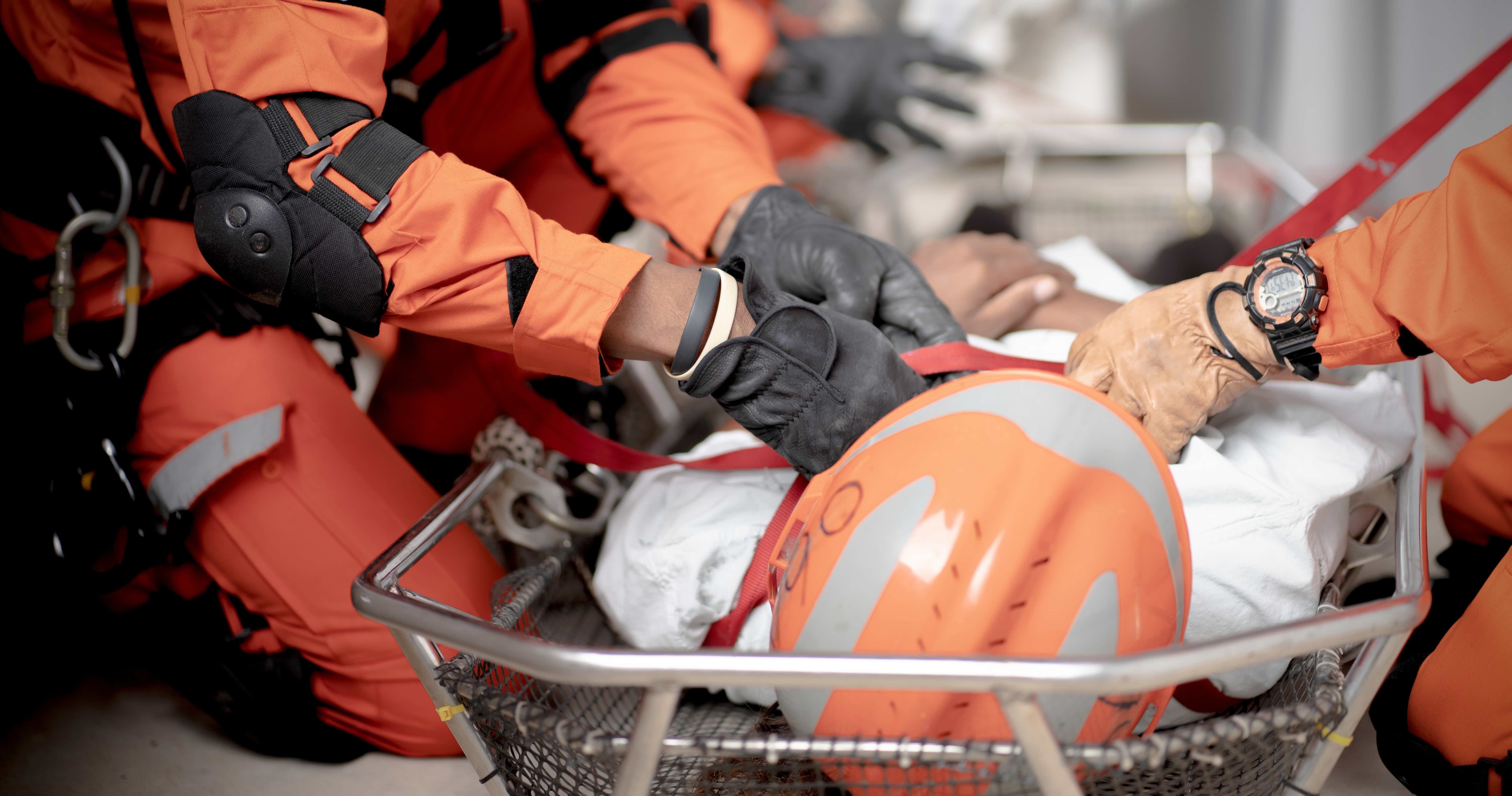
Queensland mining operations face strict medical response obligations under WHS legislation. Remote locations, heavy machinery, and hazardous materials create environments where medical emergencies demand immediate, professional intervention. Safety managers need documented medical response plans that satisfy regulatory requirements while protecting workers in high-risk conditions.
The stakes are clear: inadequate medical cover exposes operations to regulatory penalties, insurance complications, and operational shutdowns. More critically, it puts workers at risk when seconds determine outcomes.
Core WHS Medical Response Obligations
Queensland mining sites must maintain documented medical response capabilities proportional to their operational risks. The Work Health and Safety Regulation 2011 requires mining operations to provide immediate access to appropriate medical treatment for workplace injuries and medical emergencies.
Key regulatory requirements include:
Risk Assessment Documentation: Mining operations must conduct comprehensive medical risk assessments covering site-specific hazards, worker populations, environmental conditions, and proximity to external medical services. These assessments form the foundation of compliant medical response planning.
Response Time Standards: Sites must demonstrate capability to provide immediate first aid and stabilize serious injuries within response time parameters appropriate to their risk profile. Remote operations require on-site medical capability due to extended emergency service response times.
Equipment and Staffing Standards: Medical response equipment must align with identified site risks. This includes trauma management supplies, cardiac monitoring equipment, spinal immobilization devices, and medications appropriate to likely emergency scenarios.
Training and Competency Requirements: Personnel providing medical response must hold current, recognized qualifications appropriate to their responsibilities. Basic first aid certification is insufficient for high-risk mining environments.
Medical Response Capability Requirements
Mining sites require medical response capabilities that match their specific operational risks. Generic first aid approaches fail to address the complex trauma patterns and environmental challenges inherent in mining operations.
On-Site Medical Staffing
AHPRA-registered paramedics provide the clinical capability required for serious mining injuries. Unlike basic first aiders, registered paramedics can administer controlled medications, perform advanced airway management, and provide definitive trauma care during extended transport times to hospital facilities.
Mining operations involving explosives, heavy machinery, or hazardous chemicals require medical personnel with drug licensing capability. This enables administration of pain relief, sedation, and cardiac medications essential for managing serious injuries in remote locations.
Equipment Standards
Medical equipment must address the trauma patterns common in mining operations: crush injuries, burns, respiratory emergencies, and cardiac events. Standard first aid kits are inadequate for these scenarios.
Essential equipment includes cardiac monitors with defibrillation capability, advanced airway management tools, spinal immobilization equipment, trauma dressings for severe bleeding control, and medications for pain management and cardiac emergencies.
Response Vehicle Requirements
Remote mining sites require dedicated medical response vehicles equipped for patient transport and on-site treatment. These vehicles must maintain equipment functionality in harsh environmental conditions while providing stable platforms for medical intervention.
Fully equipped ambulances enable immediate patient stabilization and rapid transport to definitive care facilities. This capability is essential when external ambulance services face extended response times to remote mining locations.
Documentation and Compliance Standards
Regulatory compliance requires comprehensive documentation of medical response planning, capability assessment, and incident management procedures. Safety managers must maintain evidence that medical response plans address site-specific risks and meet current regulatory standards.
Medical Response Plans
Site-specific medical response plans must detail response procedures for likely emergency scenarios, communication protocols with external services, evacuation procedures, and equipment maintenance schedules. These plans require regular review and updating as operational conditions change.
Plans must demonstrate integration with broader emergency response procedures, including site evacuation protocols, communication with emergency services, and coordination with external medical facilities.
Training Documentation
Personnel training records must demonstrate current competencies appropriate to assigned responsibilities. This includes initial certification, ongoing competency assessment, and regular skills maintenance training.
Medical response personnel require documented training in site-specific hazards, emergency communication procedures, and coordination with external emergency services.
Incident Documentation
Medical incident documentation must capture response effectiveness, equipment performance, and opportunities for improvement. This documentation supports regulatory compliance while enabling continuous improvement of medical response capabilities.
Selecting Appropriate Medical Cover
Mining operations require medical cover providers with demonstrated expertise in high-risk industrial environments. Generic medical services lack the specialized knowledge and equipment necessary for effective mining site medical response.
Effective medical cover providers offer AHPRA-registered clinical staff, site-specific risk assessment and planning, equipment appropriate to mining hazards, and proven experience in remote industrial operations.
The provider’s clinical capability must match the site’s risk profile. Operations with significant trauma risk require paramedic-level capability with drug licensing and advanced equipment. Less complex operations may require registered nurses with appropriate training and equipment.
Provider selection should prioritize clinical competence, regulatory compliance, and operational reliability over cost considerations. Inadequate medical cover creates regulatory, insurance, and operational risks that far exceed service cost differences.
Mining operations in Queensland require medical response capabilities that satisfy regulatory obligations while protecting workers in high-risk environments. Effective compliance demands professional medical planning, appropriate clinical staffing, and comprehensive documentation of response capabilities.
Learn more at emls.com.au