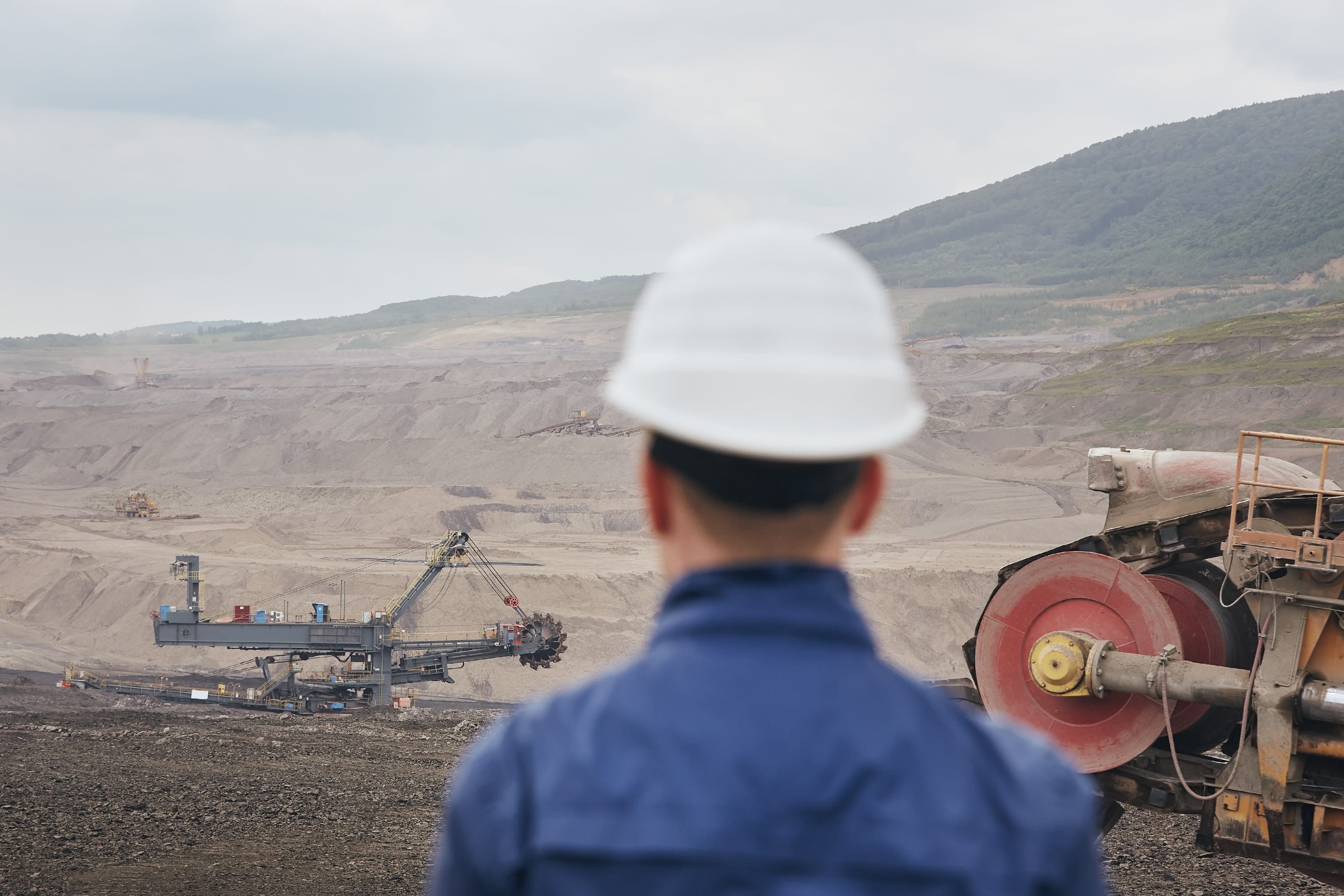
High-Consequence Readiness: Applying Motorsport Emergency Precision to Remote Mining and Industrial Sites
Learn how Emergency Logistic Solutions adapts trackside rapid response, on-site medical centres and advanced life support to high-risk mining, energy, and construction operations.
By ELS Team
Operational Parallels: Trackside Trauma and Heavy Resource Risk
Managing emergency medical care on an isolated mine site in regional Australia or an exploration camp in remote Papua New Guinea shares surprising operational parallels with motorsport circuits. Both environments involve heavy plant and equipment, high-energy kinetic forces, hazardous materials, and severe geographic separation from tertiary healthcare facilities.
In both settings, minor delays in triage, treatment, and evacuation can turn a survivable trauma into a fatal event. Emergency Logistic Solutions (ELS) built its operational reputation in the demanding proving grounds of Australian motorsport, providing high-speed emergency response and mobile critical care at events like Challenge Bathurst and Queensland Raceway . Today, the company translates those exact operational systems into turn-key medical solutions for large-scale mining operations, remote exploration ventures, and major infrastructure projects.
Scalable Infrastructure: From Rapid Response to Long-Term Site Teams
Industrial health and safety requires dynamic resourcing. A civil construction project, remote shutdown, or exploratory drill camp cannot rely on off-the-shelf first aid kits when managing hundreds, or thousands of workers exposed to high-consequence operational hazards.
Operational Environment | Engagement | What ELS Delivered |
|---|---|---|
Hail Creek Coal Mine, Bowen Basin, Queensland | Around 15 years on site (Rio Tinto 2008 to 2018, then Glencore 2018 to 2023) | Full-time on-site paramedics providing emergency medical response, plus site security and COVID-19 response and testing in the Glencore years. |
Rio Tinto Exploration, Papua New Guinea | Two-year engagement from 2019 | Paramedic support for remote exploration teams, with aeromedical evacuation planning from site through to hospital in Australia. |
Industrial Shutdowns & Civil Works | Short-term and project-based engagements | Treatment room set-up with resuscitation equipment and trauma kits, with clinicians scaled up and down to match the schedule. |
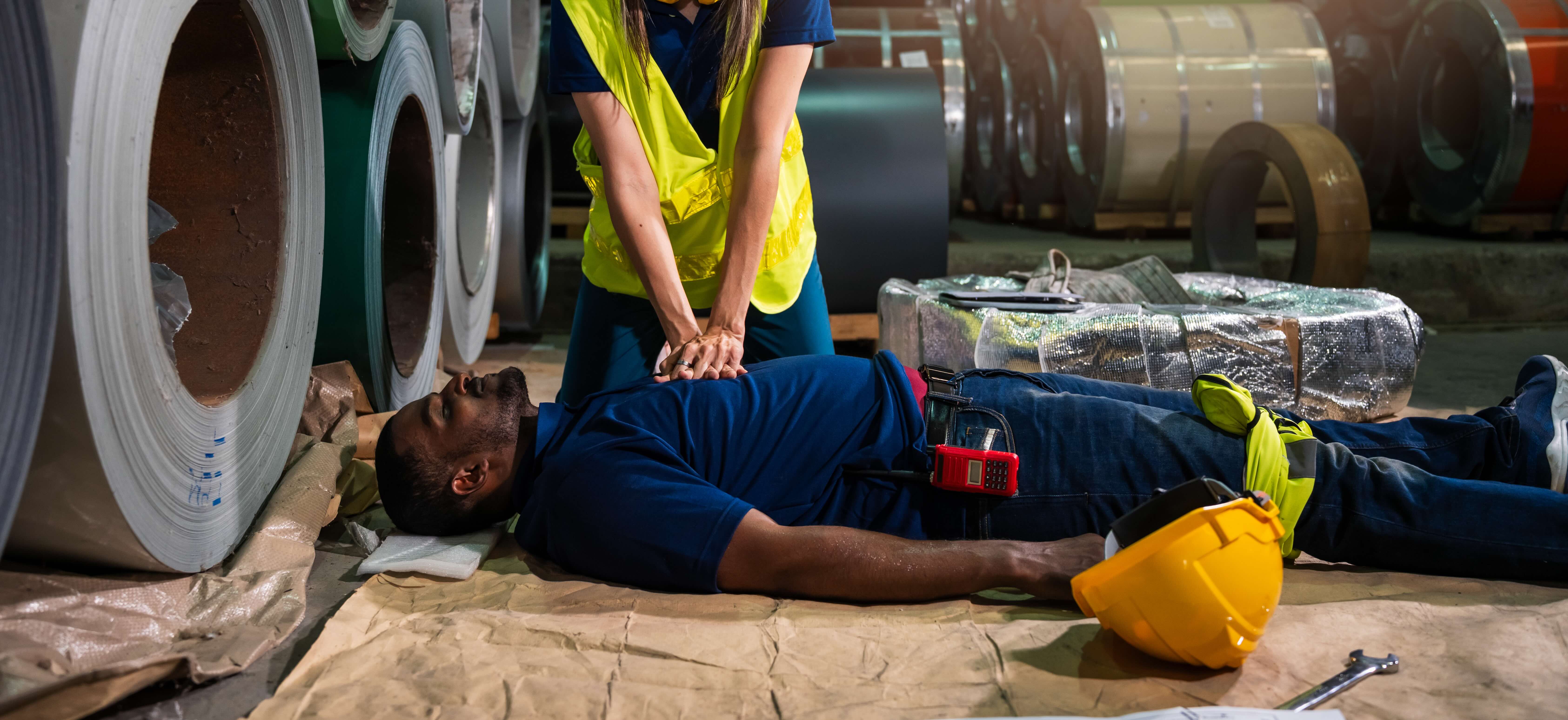
Much like the temporary facilities established trackside at major race meetings, ELS designs industrial medical centres as scalable on-site treatment facilities. Sites feature dual-track capability: a resuscitation-capable treatment area to manage crush injuries, falls, and electrical burns, plus a separate area for minor injury and illness assessment and heat stress checks.
Bridging the Pre-Hospital Gap with Advanced Clinical Authority
On remote sites, the time between a critical incident occurring and the arrival of aeromedical retrieval (such as the Royal Flying Doctor Service or a rescue helicopter) can be hours. The patient’s outcome depends heavily on the clinical interventions delivered during that window.
ELS holds a General Approval (Emergency First Aid) issued by Queensland Health under the Medicines and Poisons Act 2019, authorising our paramedics and registered nurses to possess and administer emergency medicines, including scheduled and controlled medicines, on standing orders approved by our Chief Medical Officer, under a Queensland Health-compliant Substance Management Plan. In New South Wales, ELS holds a NSW Health authority for its paramedics to possess and administer Schedule 2, 3, 4 and 8 medicines. All medicines are administered under our CMO-approved Clinical Practice Guidelines and Drug Therapy Protocols.
On-site clinical care follows these Clinical Practice Guidelines and Drug Therapy Protocols:
Airway management and oxygen therapy.
Administration of emergency analgesia, cardiac medications, and IV fluids.
Vital sign and cardiac monitoring, and defibrillation.
Bleeding control, wound care, splinting and spinal precautions.
By initiating critical care immediately at the point of injury, ELS clinicians stabilise complex trauma patients on-site, consult our Chief Medical Officer (on call 24/7), liaise with retrieval services, and manage patient care until aeromedical transport touches down.
Supporting Your Emergency Planning Obligations
Site operators are required to plan and resource their emergency medical response, and the rules differ between states and between mining and general industry. Our guide to mine site emergency medical response sets out what the regulations expect.
ELS supports that planning with track-tested operational rigour: standardised equipment across all response vehicles, clear communication pathways between on-site staff and external emergency services, and documented clinical governance overseen by our Chief Medical Officer.
Whether responding to a 200 km/h vehicle impact or a heavy plant crush injury on a remote exploration lease, ELS delivers the speed, clinical authority, and logistics capability necessary to protect workforces in high-consequence environments. Contact us today to learn how we can make your worksite safer.