End-to-end aeromedical evacuation coordination for remote sites and high-acuity incidents — when ground transport isn’t fast enough.
Aeromedical Evacuation & Logistics
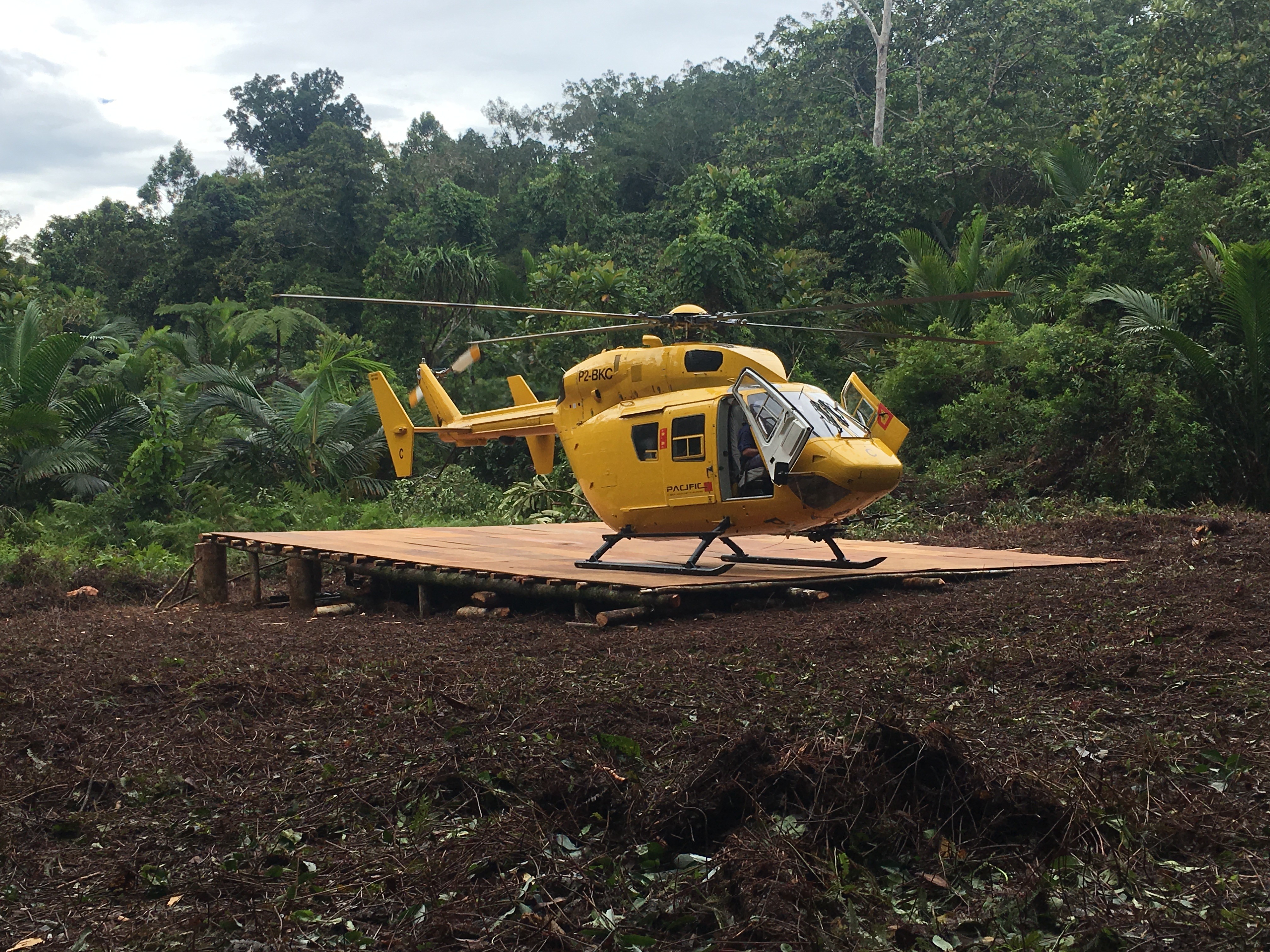
When ground transport isn’t fast enough, the air response is what closes the gap between incident and definitive care. For remote sites and high-acuity incidents, ELS manages end-to-end aeromedical evacuation logistics — coordinating retrieval, preparing patients for flight, and ensuring clinical continuity from point of injury to receiving hospital.
Our clinicians include former flight medical personnel who understand the operational realities of aeromedical work — the equipment, the limitations, the handover protocols, and the difference a properly prepared patient makes to outcome.
What’s Included
Retrieval Service Liaison: Direct coordination with aeromedical retrieval providers and tasking agencies.
Helicopter & Fixed-Wing Coordination: Transport arrangement appropriate to incident severity, location, and patient condition.
Patient Preparation for Flight: Clinical stabilisation, packaging, and handover-ready presentation.
Landing Zone Management: LZ selection, marking, and ground crew coordination.
Clinical Continuity: Documented handover from on-scene through to receiving hospital.
Family & Stakeholder Liaison: Communications support during and after evacuation.
Post-Event Documentation: Full incident reporting and case review for client governance.
Why Aeromedical Coordination Matters
Reduces time-to-definitive-care for remote and high-acuity incidents.
Ensures patients are properly stabilised and packaged before flight.
Bridges the operational gap between site-based care and tertiary hospitals.
Coordinated by clinicians with operational aeromedical experience.
Critical for mining, oil and gas, and remote project sites where retrieval times are measured in hours.