Day-to-day clinical health support that keeps your workforce working — embedded paramedic and nursing services for mining, construction, film, and remote operations.
On-Site Occupational Health
Beyond emergency response, the day-to-day health of your workforce drives operational performance. Strains, sprains, fatigue, hydration, minor illness — left unmanaged, these become lost-time incidents, worker’s compensation claims, and unnecessary off-site transports.
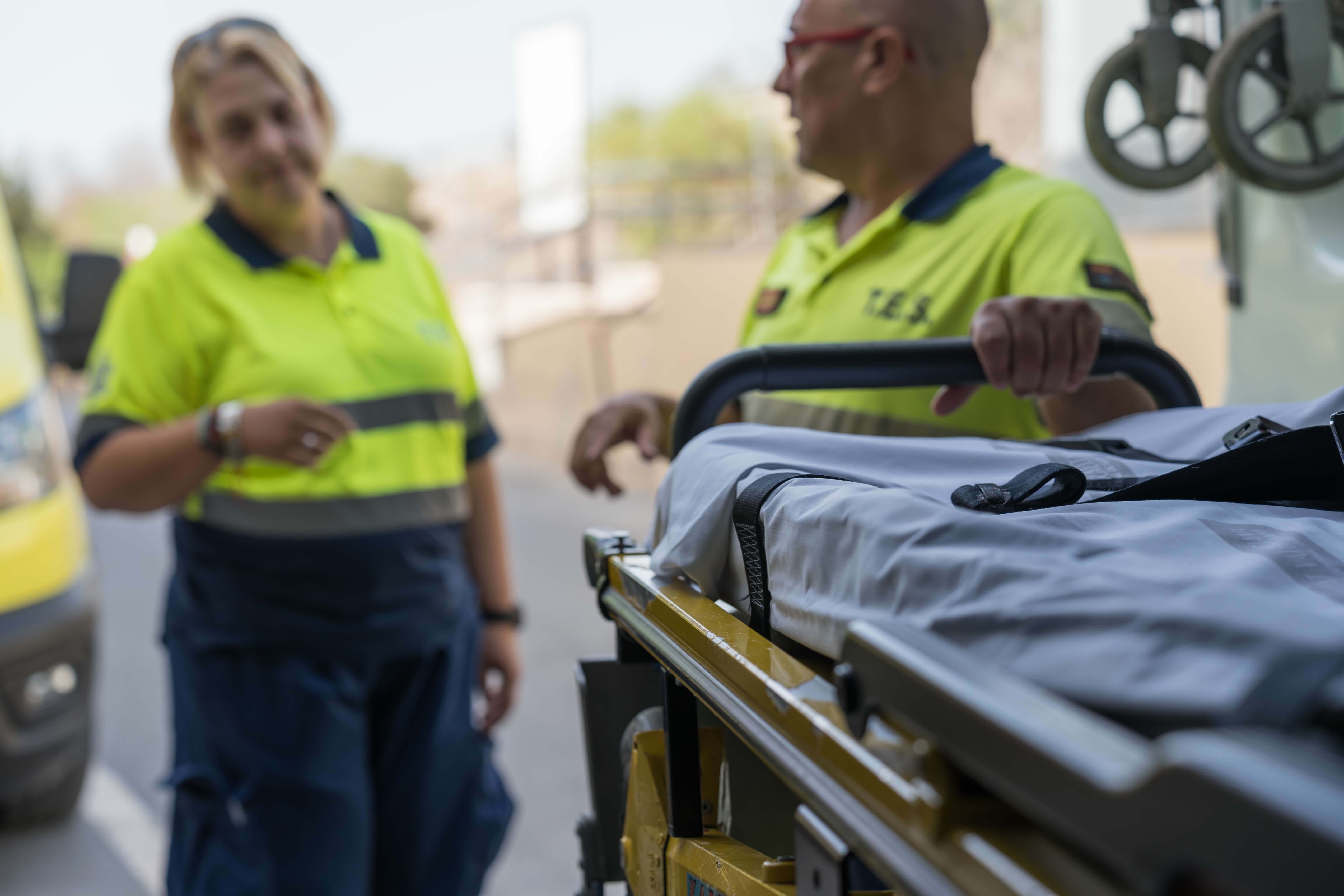
ELS embeds AHPRA-registered paramedics and nurses on your site to deliver clinical-grade occupational health support alongside emergency response capability. The result: fewer lost-time incidents, faster recovery, and a clinical partner embedded in your operation — not a phone number you call when something goes wrong.
Suited to extended deployments across mining, oil and gas, construction, film productions, and any remote or high-risk operation requiring on-site clinical capability.
What’s Included
Injury Management: On-site assessment and management of strains, sprains, and soft-tissue injuries.
Routine Health Assessment: Day-to-day health complaints and minor illness review.
Worker’s Compensation Coordination: Documentation, reporting, and claims support.
Return-to-Work Management: Facilitation, monitoring, and graduated return planning.
Hydration & Fatigue Management: Monitoring programs aligned to your site’s safety requirements.
Drug & Alcohol Testing: Random, post-incident, and reasonable-suspicion testing programs.
Off-Site Transport Reduction: Injury management protocols designed to keep workers on-site where clinically appropriate.
Worksite Permit Auditing: Permit issuing and review, including confined space.
Clinical Records & Administration: Site safety documentation, medical records management, and reporting.
Why On-Site Occupational Health Matters
Reduces lost-time incidents and worker’s compensation exposure.
Minimises unnecessary off-site medical transfers, keeping operations running.
Provides immediate clinical assessment, not delayed first aid.
Embeds a clinical partner in your operation — not a phone number on a wall.
Combines emergency response capability with day-to-day health support in one team.