Mount Panorama circuit
6.2 kilometres
Elevation changes · Blind corners · Distributed response
The Demands of Mount Panorama
Securing the safety of a high-speed motorsport event requires far more than stationing an ambulance at pit exit. At Mount Panorama, home to iconic Challenge Bathurst, safety planning faces one of global motorsport’s most demanding, variable circuits. With 6.2 kilometres of sweeping elevation changes, narrow concrete chutes across the top of the mountain, and completely blind corners, managing an emergency incident demands precision logistics, rapid deployment, and tight integration across state agencies.
For nearly two decades, Emergency Logistic Solutions (ELS) has managed trackside medical interventions at Bathurst. Recently awarded a three-year contract renewal to deliver comprehensive medical and emergency services for Challenge Bathurst, ELS brings an integrated operational model that bridges high-speed track intervention with advanced life support at the circuit medical centre.
Explore Event Medical Services and Motorsport Medical & Trackside Response for the services behind this work.
Strategic Interventions on a Complex Circuit
Unlike flat, stadium-style circuits where Race Control can maintain direct line-of-sight across the entire track, Mount Panorama relies heavily on sector marshals, radio communications, and distributed vehicle placement. ELS uses a layered vehicle deployment strategy to support access and coordinated medical response around the circuit.
| Asset Call-Sign | Operational Function |
|---|---|
| Medical Chase Car (V1) | Pursues opening race laps and provides immediate intervention on high-energy impacts along Mountain and Conrod Straights. |
| Medical Intervention Vehicles (V2 & V3) | Rapid-response sedans providing immediate intervention where circuit geometry and elevation obstruct lower track access. |
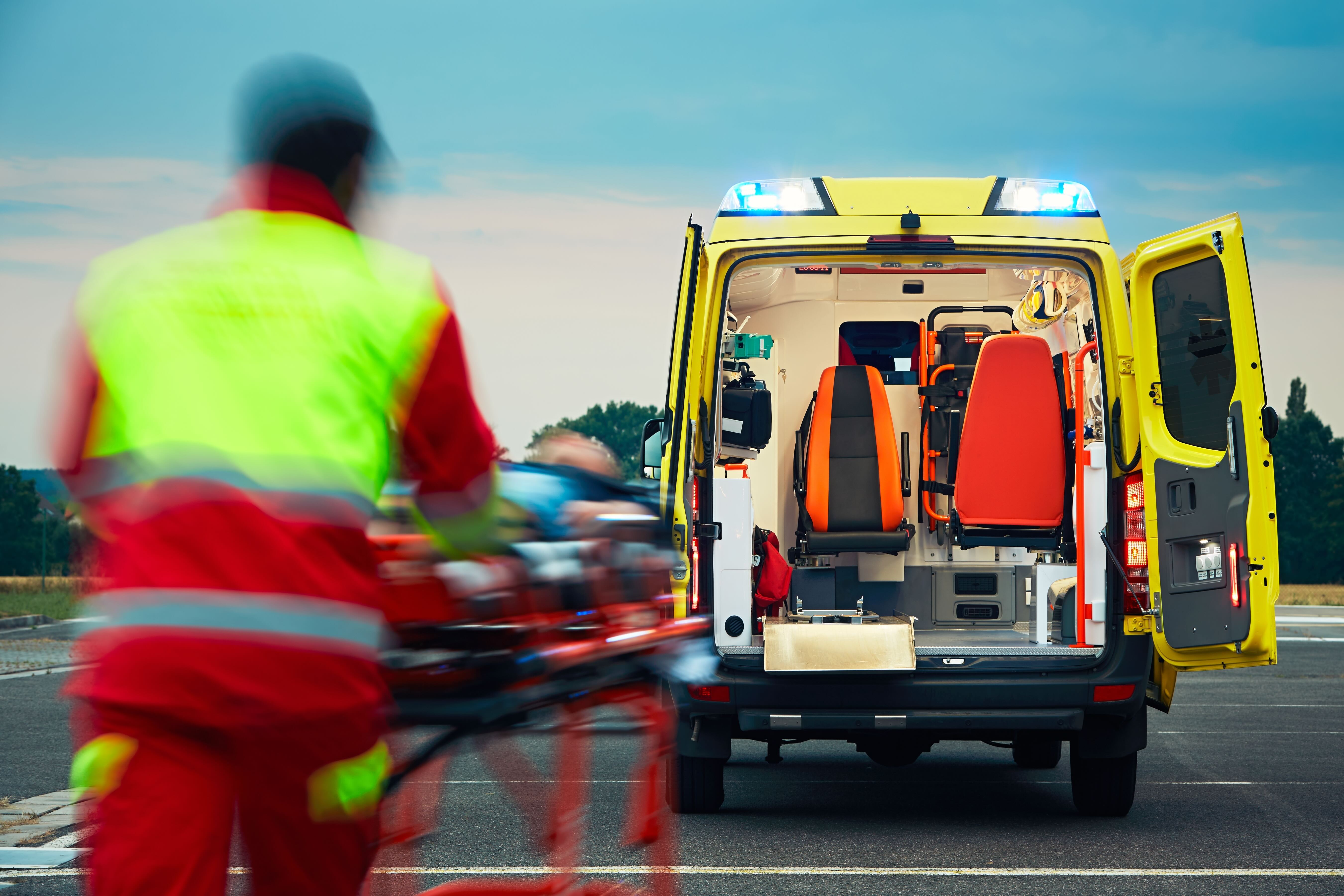
| Track Ambulance (A1) | Fully equipped ambulance for patient stabilisation and movement to the circuit medical centre. |
Supported locally by vehicles supplied by the Clancy Motor Group, each rapid-response sedan is driven by a dedicated performance driver and staffed by registered healthcare practitioners, including AHPRA-registered paramedics and critical care registered nurses. Every intervention vehicle carries identical advanced life support equipment: automated external defibrillators (AEDs), advanced airway equipment, medical oxygen, and emergency pharmaceuticals.

Advanced Clinical Authority Trackside
ELS holds a General Approval (Emergency First Aid) issued by Queensland Health under the Medicines and Poisons Act 2019, authorising our paramedics and registered nurses to possess and administer emergency medicines, including scheduled and controlled medicines, on standing orders approved by our Chief Medical Officer, under a Queensland Health-compliant Substance Management Plan. In New South Wales, ELS holds a NSW Health authority for its paramedics to possess and administer Schedule 2, 3, 4 and 8 medicines. All medicines are administered under our CMO-approved Clinical Practice Guidelines and Drug Therapy Protocols.
At Mount Panorama, where incidents can occur at speeds exceeding 200 km/h, the passenger medic serves as the driver’s operational eyes, monitoring blind corners, yellow flags, and track debris while communicating with Race Control. Once on scene, ELS medical personnel manage the driver’s condition while trackside Incident Controllers secure the perimeter, coordinate fire recovery, and maintain scene preservation.
Read about Clinical Governance and Medical Oversight.
A Trackside Medical Centre with Resuscitation Capability
Beyond track intervention, ELS prepares Mount Panorama’s permanent infrastructure as a trackside medical centre with resuscitation capability. During the mandatory bump-in ahead of the four-day event, the ELS logistics team establishes:
Resuscitation and Trauma Bays: Outfitted with intensive monitoring, cardiac support, and advanced trauma consumables to manage critical, life-threatening injuries.
Minor Treatment Bays: Configured to assess non-life-threatening lacerations, soft-tissue strains, suspected concussions, and heat-related exhaustion among drivers, pit crews, and support personnel.
Medical response pathway
1
Assess and triage
2
Treat and stabilise
3
Coordinate further care
An overview of the response described in this case study.
This facility supports on-site triage. Rather than overburdening regional public health infrastructure with routine presentations, ELS clinicians treat, monitor, and clear minor injuries on-site. If an incident requires tertiary care, ELS clinicians stabilise the patient, liaise directly with NSW Ambulance and NSW Police, and assist if an aeromedical retrieval is required.
Multi-Agency Coordination
The success of high-consequence event medical management lies in pre-event alignment.
From managing scene preservation requirements with local police to working with NSW Ambulance, including assisting if an aeromedical retrieval is required, ELS provides event promoters with an end-to-end medical response system. At Challenge Bathurst, driver safety rests on proven track experience, verified clinical capability, and immediate, coordinated intervention. Contact us today to find out more about how ELS can support your race day event.