Clinical responsibilities, medical oversight, health authorisations and incident reporting.

Home / Services / Clinical Governance
Clinical governance describes how clinical care is organised, supported and reviewed. This page brings together the information clients need about ELS clinical responsibilities, medical oversight, authorisations and incident reporting.
Discuss clinical governance requirements with ELS.
Clinical teams and responsibilities
ELS clinical teams include AHPRA-registered paramedics, nurses and doctors. The roles required for an engagement should be agreed as part of its scope.
Clinical roles: Identify the clinicians and responsibilities appropriate to the event or site.
Medical oversight: ELS clinicians can contact the Chief Medical Officer for clinical guidance and support.
Escalation and handover: Agree how concerns are raised and how relevant information is handed over.
Reporting and review: Each patient presentation is documented. Client notification follows the protocol agreed for the site or event.
Chief Medical Officer
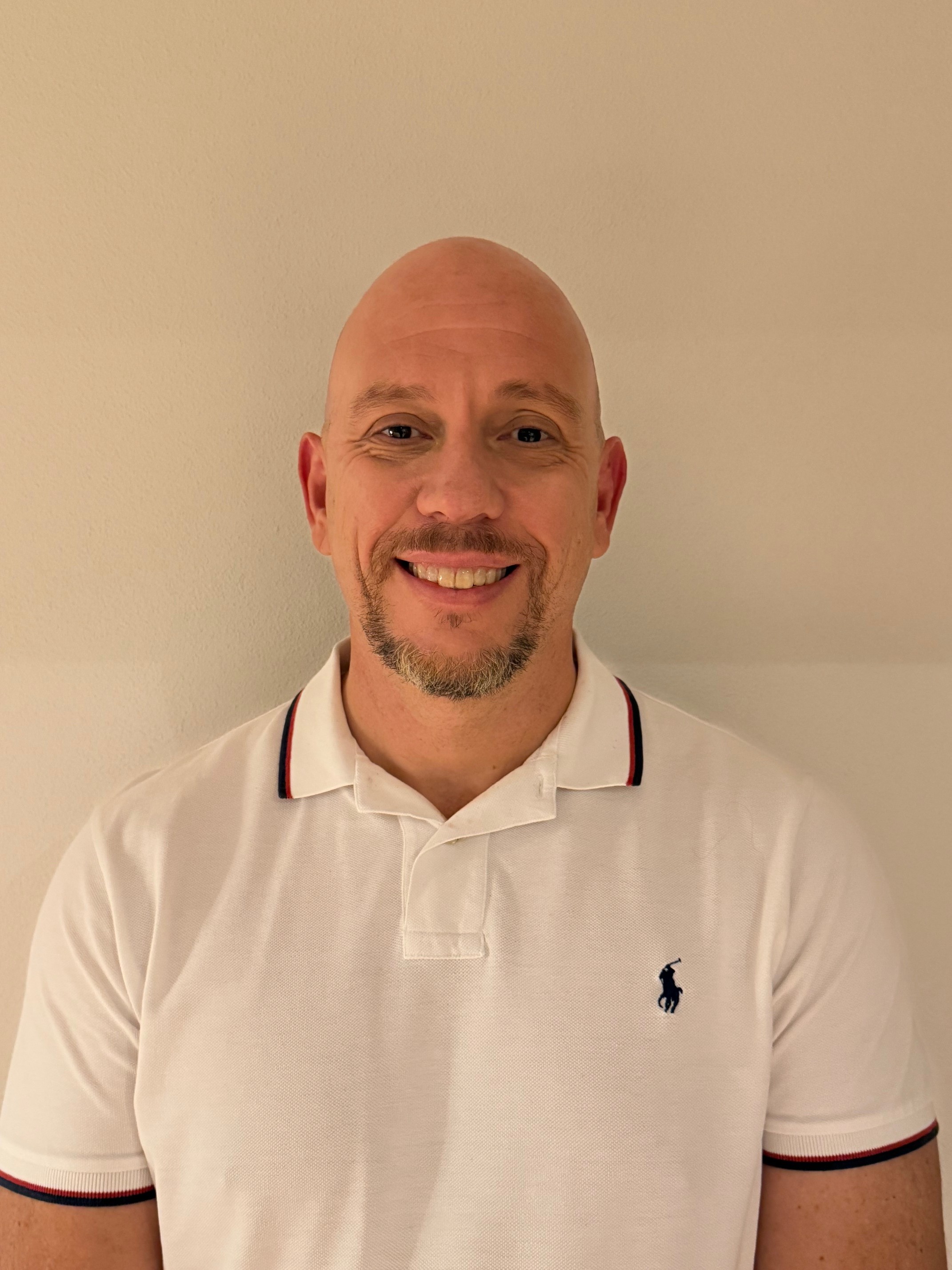
Dr Daniel Bitmead is the Chief Medical Officer at Emergency Logistic Solutions.
On-call clinical guidance
ELS clinicians have 24/7, 365-day on-call access to our Chief Medical Officer for clinical guidance and support, wherever and whenever they are working.
Health authorisations and credentials
ELS holds a General Approval (Emergency First Aid) issued by Queensland Health under the Medicines and Poisons Act 2019, authorising our paramedics and registered nurses to possess and administer emergency medicines, including scheduled and controlled medicines, on standing orders approved by our Chief Medical Officer, under a Queensland Health-compliant Substance Management Plan.
In New South Wales, ELS holds a NSW Health authority for its paramedics to possess and administer Schedule 2, 3, 4 and 8 medicines.
All medicines are administered under our CMO-approved Clinical Practice Guidelines and Drug Therapy Protocols.
Incident reporting and review
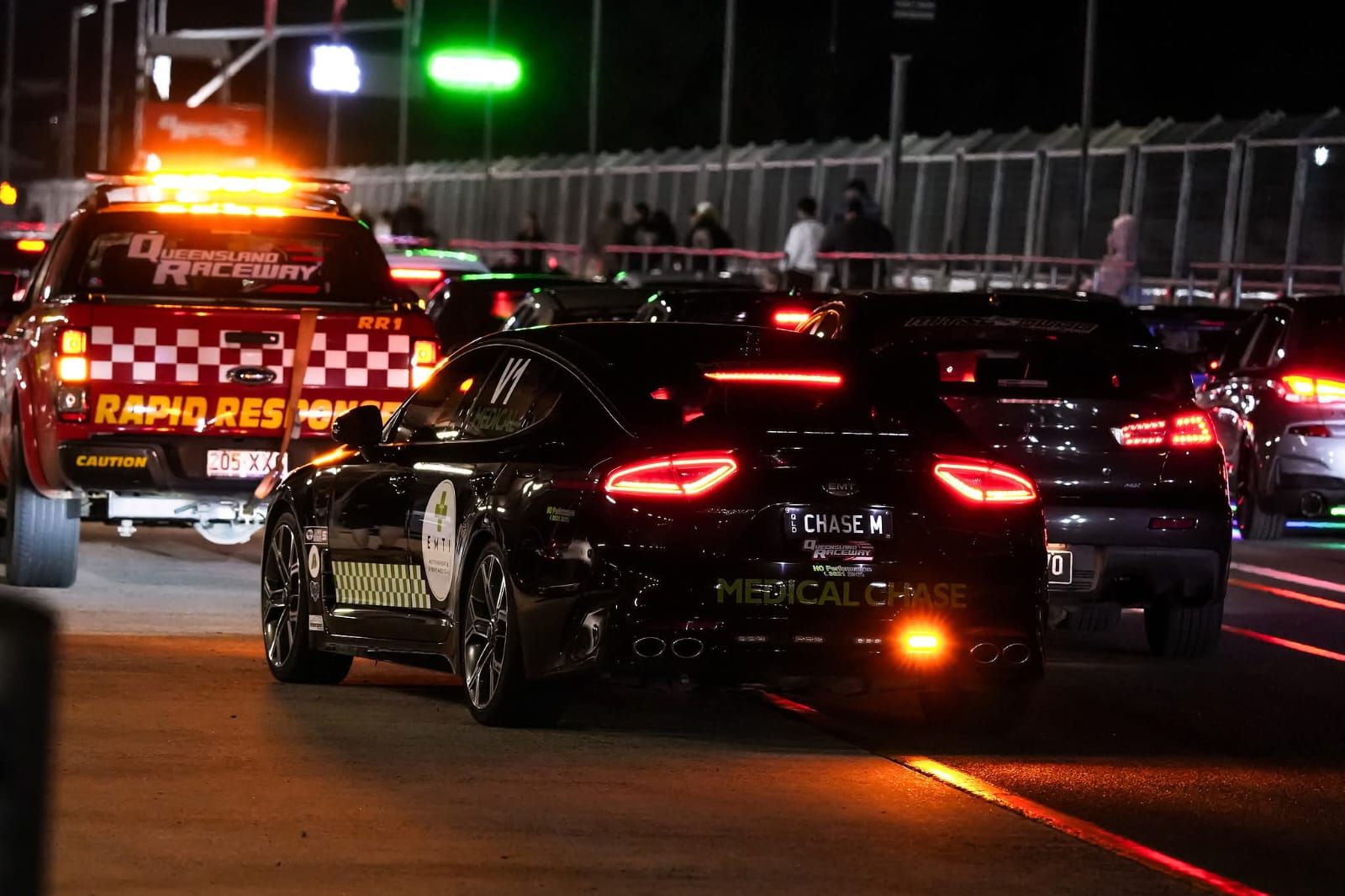
When a patient presents to an ELS clinician, whether on a site, at an event or trackside, they are assessed and treated by an AHPRA-registered paramedic or nurse working under our CMO-approved Clinical Practice Guidelines.
Every presentation is documented on an ELS patient treatment record covering the assessment, treatment given, any medicines administered and the outcome: treated and returned to work or activity, referred for further care, or handed over to the state ambulance service or hospital.
For serious or complex presentations our clinicians stabilise and refer, with 24/7 access to our Chief Medical Officer for clinical guidance.
The client's nominated site or event contact is notified in line with the protocol agreed at engagement, and a copy of the treatment record or incident report is provided to the client and, where relevant, the worker's employer, within the patient's consent and our privacy obligations. Any follow-up, such as a debrief or written report, is agreed with the client at the time.
How to discuss governance requirements
Describe your operation. Share the event or site context and the medical service you need.
Review the responsibilities. Discuss clinical roles, medical advice, escalation and reporting requirements.
Confirm the agreed scope. Record the responsibilities, contacts and approved arrangements before the engagement.
Frequently asked questions
What does clinical governance mean?
It describes the responsibilities and arrangements used to support and review clinical care. Clients should understand who is responsible for care, how advice is obtained and how concerns are reported.
What is remote medical oversight?
ELS clinicians can contact the Chief Medical Officer for advice at any time while working at a site or event.
Who is the ELS Chief Medical Officer?
Dr Daniel Bitmead is the ELS Chief Medical Officer. You can read his interview in Further Reading.
How are incidents reported?
ELS documents each patient presentation and notifies the client’s nominated contact according to the agreed protocol. Records or reports are shared with the client and, where relevant, the worker’s employer, within the patient’s consent and ELS’s privacy obligations. Any debrief or written follow-up is agreed with the client.
Does ELS claim ISO certification?
No ISO certification is claimed.